


The Buzz About Fall Wasps: Learn More on World Wasp Day
- Blog /
- The Buzz About Fall Wasps: Learn More on World Wasp Day
Wasps may be small, but they can make a big entrance, especially in early fall. World Wasp Day is the perfect time to learn more about these buzzing insects, why they become more noticeable as the season changes, and what to do if they start making themselves at home around your property.
Wasps play an important role in nature; they help keep other insect populations under control and even assist with pollination. But when an active nest is near a patio, playground, restaurant, home, or business, these helpful insects can quickly become a safety concern, especially for anyone allergic to stings.
At JP McHale, awareness is integral to pest management. Today, on World Wasp Day, here are some helpful tips for spotting wasp activity, avoiding unnecessary stings, and knowing when it’s time to call in the pros.
Why Do Wasps Get “Buzzier” in the Fall?
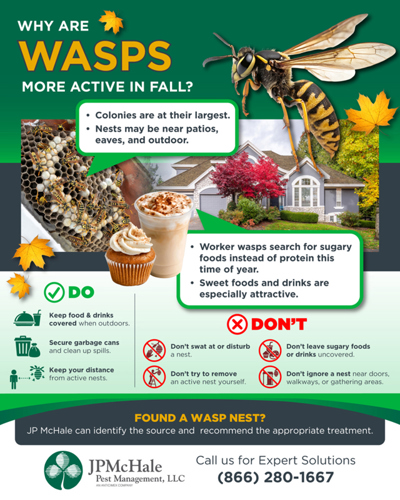
Wasps are often considered a summer nuisance, but their activity ramps up in late summer and early fall. By this point, colonies have grown larger, and worker wasps are busy searching for food. As the weather changes, they’re especially attracted to sweet smells and easy snacks, including soda, fruit, garbage, and anything left behind after an outdoor meal.
You may notice more wasps around:
● Patios and outdoor dining areas
● Garbage and recycling bins
● Fruit trees and gardens
● Pools and recreational areas
● Doorways and outdoor gathering spaces
Found a Wasp Nest? Don’t Poke It!
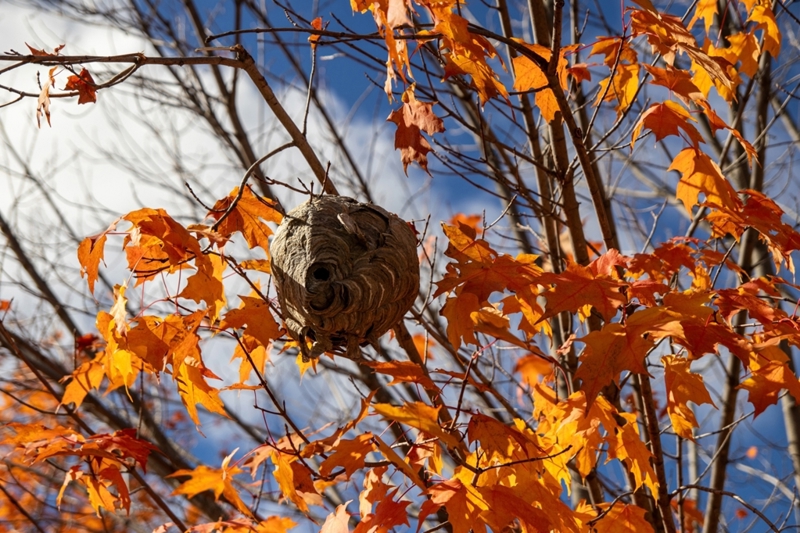
If you spot a wasp nest, the safest thing to do is leave it alone. Wasps can become defensive when you approach or disturb their nest. Knocking it down, spraying it, or trying to remove it yourself can increase the risk of stings.
Instead:
● Keep children and pets away
● Avoid touching, spraying, or blocking the nest
● Restrict access to areas with heavy wasp activity
● Contact a pest control professional for assistance
A trained specialist can identify the nest, determine the safest treatment approach, and help prevent the problem from getting worse.
How to Make Your Property Less Appealing to Wasps
Take a few simple steps to reduce wasps:
● Cover outdoor food and drinks.
● Clean up spills as soon as they happen.
● Keep garbage and recycling containers tightly sealed.
● Pick up fallen or overripe fruit.
● Check eaves, rooflines, sheds, and other sheltered areas for nests.
● Keep people and pets away from areas with heavy wasp activity.
These steps won’t make your property completely wasp-proof, but they can make it much less inviting.
Wasps Are Important to the Environment
Wasps are valuable members of the ecosystem, yet an active nest near people, pets, or busy gathering areas can quickly become a safety issue.
The JP McHale Cares initiative is about more than pest control. It’s about helping our communities understand seasonal pests and feel confident protecting their homes, businesses, families, and pets.
This World Wasp Day, watch for increased activity, secure tempting food sources, and remember: if you find an active nest, don’t disturb it. Leave the buzzing business to the professionals.
Let JP McHale Handle the Buzz
If wasps are causing trouble at your home or business, JP McHale can identify the source and provide effective Stinging Insect Protection.
Our treatments typically take up to 72 hours to work. Activity may increase during the first day as the colony responds. Once the queen is eliminated, the remaining workers typically leave to establish a new nest. For hidden nests, we may recommend removal, and some indoor activity may occur as insects try to exit.
Ready to show wasps the way out? Call (833) 246-2209 or email sales@nopests.com.