

Do You Have Dust Mite Allergies?

Posted on May 16, 2012 with No Comments

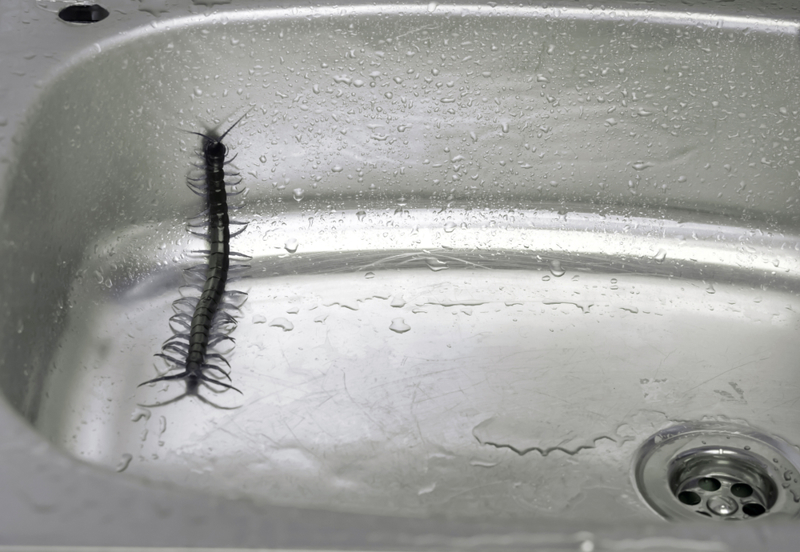
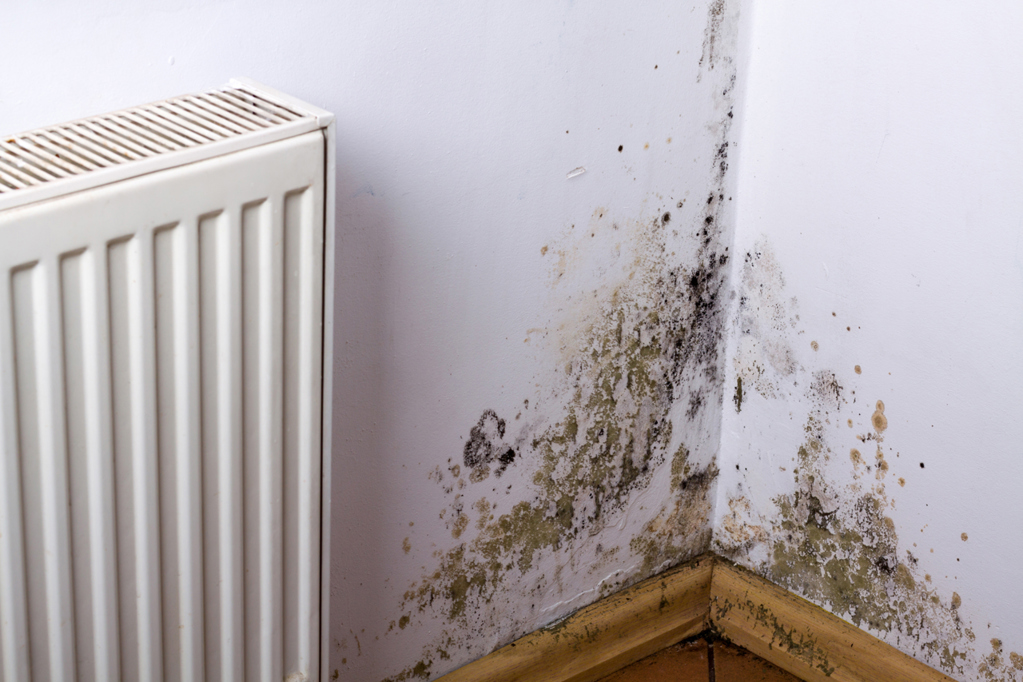
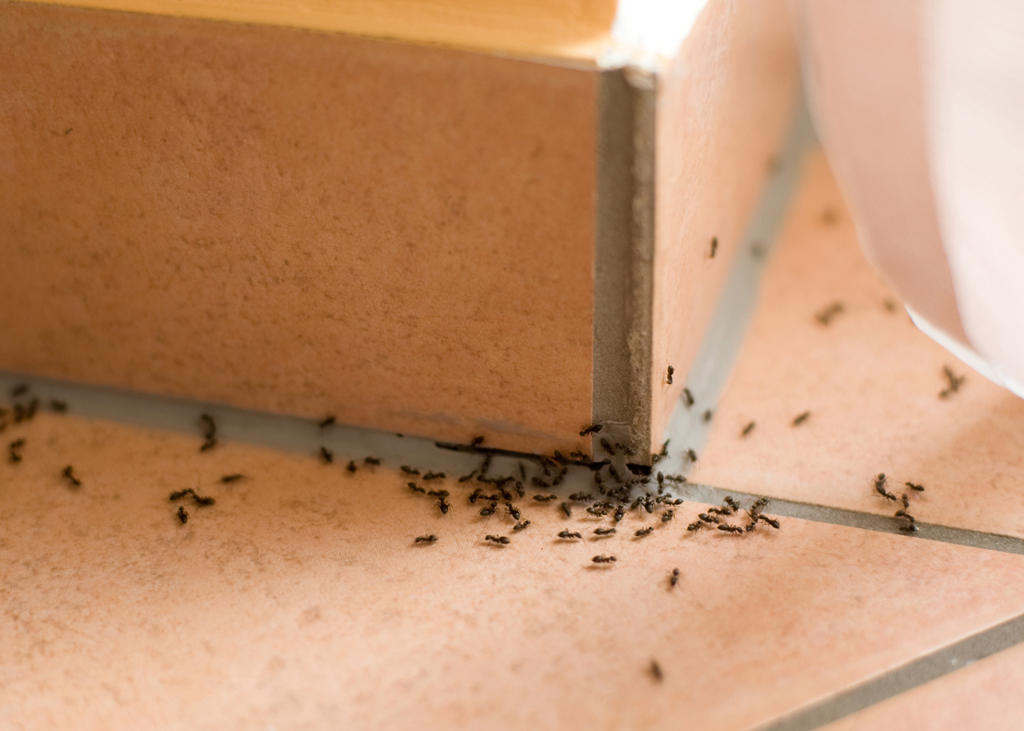
If you are suffering from springtime allergy symptoms, allergies can also be caused by dust mites, cockroaches, domestic animals, mouse and rat dropping, and molds.   There can even be a significant amount of pollen in your house at this time of year.

Dust mites like to live where there is food, moisture and warmth.  This often means our bed. As like with bed bugs, your bed is the ideal spot for dust mites to be.

Keeping Dust Mites and Allergens Out of the Bedroom:  There are a number of things that can be done to decrease exposure to dust mites, along with bed bugs and allergens in your bedroom.  You should start by doing a thorough vacuuming of your room and furnishings and then install a mattress and box spring encasement set.  These covers, made of tightly woven fabric, prevent dust mites from harboring or escaping from your mattress and box spring.


  • Share/Bookmark

Mosquito Pest Control Company in Westchester County New York

Posted on May 15, 2012 with No Comments

Mosquito’s are not something you want included on the menu for outdoor graduation parties or weekend barbeques!

Mosquito’s are a very common pest and they can be quite a nuisance.  They can also cause skin irritations, allergic reactions, and can transmit many dangerous diseases. When you have them in your yard, you call a pest control company to come out a get rid of the problem.  Mosquitoes can establish a population anywhere in your yard.  When a PMP sets out to control mosquitoes, an inspection should be done to try to locate the source of where they are breeding.  As with bed bugs, mosquito control succeeds mostly through the treatment and removal of harborage locations.

For more information on how mosquitos can be controlled, read Pest Control Magazine’s recent article or read JP McHale Pest Management’s Mosquito and Tick Control Programs.

  • Share/Bookmark

Relatively New and Potentially More Deadly Tick Disease in Westchester County

Posted on May 14, 2012 with No Comments

A relatively new and potentially more deadly tickborne disease, ehrlichiosis, continues to spread in Westchester County. Education, prevention of tick bites and recognition and treatment of early signs and symptoms remain the best weapon against diseases from ticks.   Another disease from ticks, babesiosis, is now also found in Westchester County.

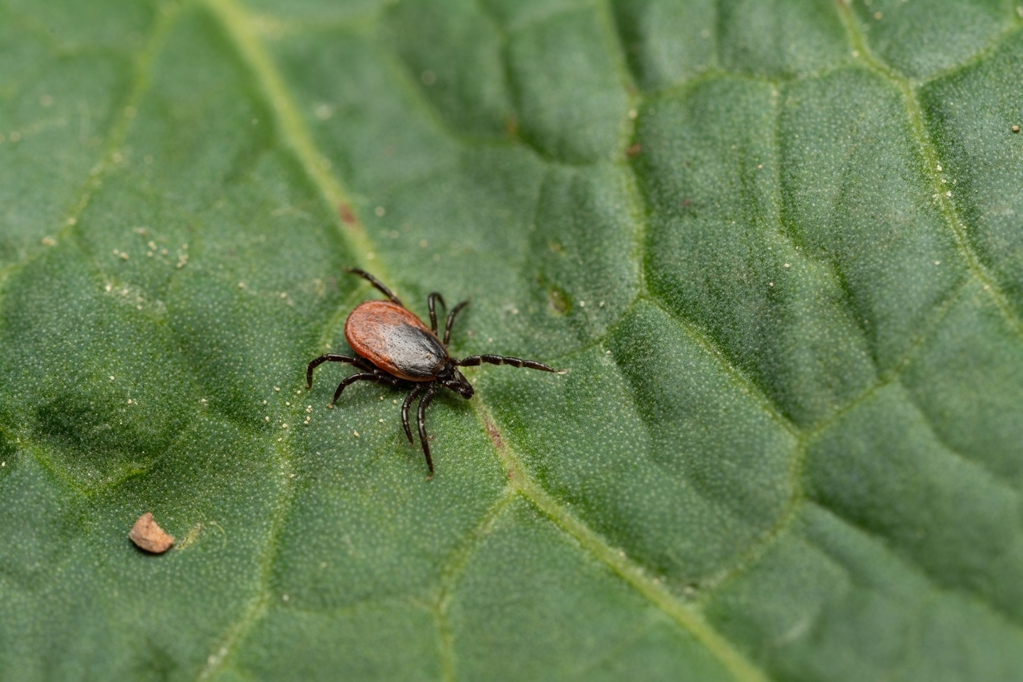
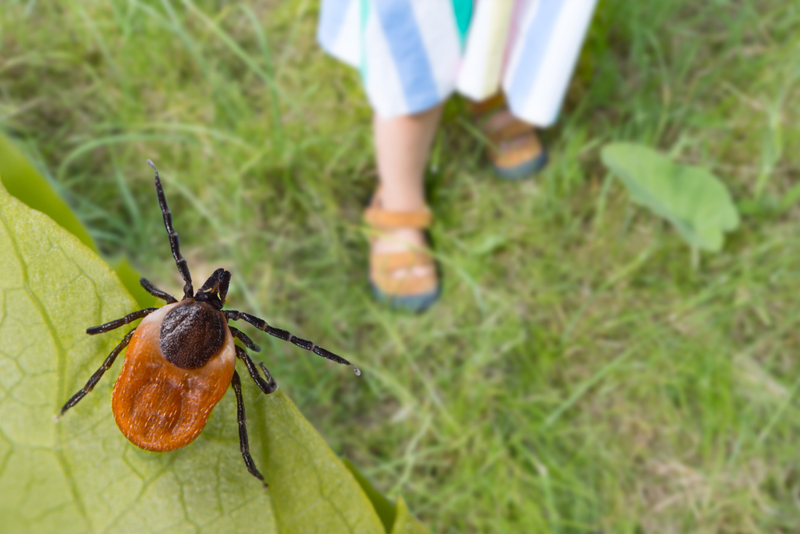
Ehrlichia bacteria can be carried by the american dog tick; deer tick — which can also cause lyme disease, and the Lone Star tick and one is more susceptible if they live near an area with a lot of ticks, own a pet that may bring a tick home, walk or play outdoors in high grasses.

Prevention

Ehrlichiosis is spread by tick bites.  Some common measures to prevent tick bites include avoiding brush and long grasses when hiking; checking yourself for ticks and removing any that you find after being outside; not standing under trees or bushes; using insect repellent; wearing clothing to cover skin.

Tick Identification
Ticks generally need to be attached to the body for about 24 hours before they can pass along infections such as Lyme disease. Daily tick checks and proper removal is one of  ways to prevent infections.

Tick Protection Program
If you think your outdoor environment is susceptible to ticks, contact JP McHale Pest Management Inc., a pest control company with headquarters in Westchester County to protect your family and pets from diseases carrying ticks.  Ticks are very small insects that feed on the blood of warm-blooded animals, including dogs, cats, mice, deer, and, of course, people. A tick will latch onto the skin, dig in its feeding apparatus, and then bite. When the tick is full, it swells in size. Then it drops off the host, only to repeat the cycle again later.


Each of our pest control treatments targets a specific disease that puts your family at risk. Common diseases around your home will include Mosquitoes (West Nile Virus), Ticks (Babesiosis, Lyme Disease), and Rodents (hantavirus).  Because any of these diseases may take weeks to develop symptoms, the best treatment for your family is prevention.  Contact your Westchester County Pest Control Company today!


  • Share/Bookmark

Mamaroneck Pest Control

Posted on May 11, 2012 with No Comments

JP McHale Pest Management Inc. services Westchester, Putnam, Dutchess, Rockland and Orange counties. Every working day we have technicians all over our service areas including Mamaroneck!

In New York we offer all of our services, including Full Service Pest Control, Tree & Turf New York Pest Control as well as EnviroCare Air Quality Restoration Programs.
JP McHales Pest Management’s headquarters are located in Buchanan, New York, a town in Westchester County.
If you are looking for termite treatment, visit our Termite section will describe what we use to mitigate termites, and the services that we offer.  If you are looking for any other type of pest control, please call us at 800-479-2284.

  • Share/Bookmark

Changes Being Made to Pyrethroid Labels in the Pest Management Industry – NY Pest Control

Posted on May 9, 2012 with No Comments

New federal labels are coming on line that will restrict how pest management professionals use pyrethorids.

The revised pyrethroid labels contain mandatory and advisory language in two areas: environmental hazard statements and directions for use including “To protect the environment, do not allow pesticide to enter or run off into storm drains, drainage ditches, gutters or surface waters.”

Applicators are advised to apply the product in calm weather when rain is not predicted for the next 24 hours. Liquid concentrate users should rinse application equipment over the treated area, and broadcast granular users should sweep granules off sidewalks, driveways and streets back onto the lawn or garden to help avoid run off to water bodies or drainage systems.  “In our judgment, these changes to the label are advisory, not mandatory, and are not enforceable,” said Rosenberg.

JP McHale Pest Management has reviewed the new restrictions with our staff and all technicians are thoroughly educated and trained to follow such protocols.  For more information on the changes being made to pyrethroid labeling, you can visit the the Fact Sheet in the Pesticide Section on the EPA’s website; or read The National Pest Management Association’s public policy on changing pyrethroids.

  • Share/Bookmark

3 Year Bed Bug Infestation in Coney Island Adult Home Prompts Legal Action

Posted on May 8, 2012 with No Comments

Residents at The Surf Manor Adult Home in Coney Island are suing over living conditions and a three-year bed bug infestation.  The class action lawsuit was filed by almost 200 residents who claim their rooms are infested with bedbugs.

The residents are also placing blame for the spread of scabies, leaking ceilings, broken elevators, sporadic heat and hot water and mold growth.

We will surely stay on top of this New York Bed Bug News story and post updates as they become available.
Read more:  New York Daily News

  • Share/Bookmark

Copesan and Western Exterminator Cancel Business Relationship

Posted on May 7, 2012 with 1 Comment

MENOMONEE FALLS, Wis. — Copesan Services and Western Exterminator Company, Anaheim, Calif., have announced the termination of their business relationship.

Michael Katz, president of Western Exterminator Company, said, “Leaving the Copesan network was a difficult business decision, having been a Copesan partner since 1991. However, after very careful consideration, we have determined that we want to refocus our service efforts on the Western Exterminator side of our business. This was solely a management decision for Western as we fully support the Copesan business model. We are committed to working with Copesan’s national clients and will do everything in our power to ensure a seamless transition.”

Deni Naumann, president of Copesan, said, “Our commitment to providing exceptional service and account management to our clients is and always will be our top priority. We are grateful that the Western team shares this same commitment and is dedicated to a smooth transition of service. We recognize that change in our service provider network may cause some uneasiness, however, Copesan has addressed similar challenges in the past and the end result is a stronger servicing network.”

Naumann added that one of the strengths of Copesan’s unique business model is its redundant service capabilities identified in its local markets. “All of our servicing Partners are committed to Copesan’s high-touch account management approach and quality service performance standards. We’re confident that our clients will continue to receive the best of care in their capable hands,” Naumann said.

Copesan will be communicating transition details to its clients as they are finalized. The transition is targeted for completion by Sept. 30, 2012.

Source:  Pest  Control Technology

  • Share/Bookmark

Copesan Partnership in Pest Control

Posted on May 3, 2012 with No Comments

Being a partner with Copesan has allowed JP McHale Pest Management to form an alliance with premier pest management companies that are united as a single entity for the sole purpose of providing quality pest solutions to businesses with locations throughout North America.

JP McHale Pest Management is devoted to serving the pest management needs of the residential, commercial, and national account market throughout New  York, New Jersey and Connecticut.

As a Copesan client, you can expect:
  • Technical expertise applied at the local level
  • A service program supported by a vast network of knowledge
  • IPM service specialists trained in the most advanced pest management techniques

  • Share/Bookmark

Bed Bugs and Mice Affecting 2,400 in Nassau Social Services Building – Long Island News

Posted on May 3, 2012 with No Comments

There are over 2,400 workers and visitors in the Nassau County Civil Services building five days a week, and reportedly they are being subjected to bed bugs and mice.  Some believe that the building should be closed until the pest issues are contained.

CBS in New York reports that exterminators have been called into the Nassau County Social Services building and bed bed bug and mice problem is being called unacceptable.

“Many have been bitten, we have had members leave there with their arms inflamed because they have been bitten by bedbugs,” Laricchiuta told WCBS 880′s Sophia Hall. “And there are mouse droppings all over the place. It’s starting to look like the Bronx Zoo.”

WCBS 880′s Sophia Hall reported that a county spokesperson said that exterminators have been brought in, and that if bedbug problems have happened in the finest hotels, then the Social Services building is not immune. The spokesperson also said that the county has provided all staff members with bedbug training.

But Laricchiuta is far from at ease.  “Imagine going to work and not knowing if there are bedbugs jumping across your desk, or in your coffee or on your clothes,” Laricchiuta said. “The bottom line is that I have 1,000 members that work in there, and they shouldn’t have to sit there all day and work, not knowing if a bedbug is jumping in their pocketbook or down their neck.”

Something to think about – would you go to work if you new your office had bed bugs and mice?

(For the record, a note from our office on the above quote that we have posted from reporter by Sophia Hall — bed bugs don’t jump).

  • Share/Bookmark

HUD Bed Bug Guidelines: Everything You Need To Know About Bed Bugs

Posted on May 3, 2012 with No Comments

HUD has issued new guidelines for dealing with bed-bug infestations. For tenants of housing owned by public housing agencies, bedbug control services will be available for free. Tenants who live in homes that are part of the Housing Choice Voucher (HCV) program must check their own contract to determine whether the landlord or the tenant is responsible for paying for bed bug treatments.

HUD plans to keep bed bugs away by:

  • Raising awareness through education on prevention of bed bugs;
  • Inspecting infested areas, plus surrounding living spaces;
  • Checking for infestations on luggage and clothes when returning from a trip;
  • Reducing the number of secondhand items brought into units and looking for bed bugs or signs of infestation on secondhand items before bringing the items home;
  • Correctly identifying the pest;
  • Keeping records – including dates when and locations where pests are found;
  • Cleaning all items within a bed-bug infested living area;
  • Reducing clutter where bed bugs can hide;
  • Eliminating bed bug habitats;
  • Physically removing bed bugs through cleaning;
  • Using pesticides carefully according to label directions; and
  • Following up on inspections and possible treatments.

HUD issued its guidelines in two separate publications from two different sections, Office of Public and Indian Housing (http://bit.ly/IT4qB7) and Assistant Secretary for Housing (http://bit.ly/Ivk6e3). The process for removing bed bugs from HUD-owned multifamily units is expansive. According to the Office of Public and Indian Housing, “within 24 hours of the tenant report, the PHA should make contact with the tenant, provide the tenant with information about control and prevention of bed bugs and discuss measures the tenant may be able to take in the unit before the inspection is performed.” If a unit is found to be infested, then the units to the left, right, below and above must also be tested “within three business days of the complaint if possible.”

“If bed bug infestation is found in the unit, the tenant may expect treatment to begin within five days of inspection, though depending on the form of treatment, this may not be possible.” And the key statement from the Public and Indian Housing publication, which was released in February: “A PHA may not charge a tenant to cover the cost of bed bug treatment; such costs should be covered by the PHA.”

Section 8 Voucher Holders Must Comply With Their Leases

The Assistant Secretary’s publication, released last month, is less restrictive. “Residents should fully cooperate with the O/A’s efforts to identify and address infestations…Cooperation includes allowing the O/A to enter the unit to perform inspections and treatments, allowing pest treatments to occur, following the pest treatment protocol.”

The publication says that assisted-project owner/operators “requests for tenants to pay the costs of infestation treatment must be in accordance with the provision for tenant payment of damages or non-compliance as required in the Family Model Lease.”

Here’s a link to that model lease: http://1.usa.gov/JTLeEO. There’s very little that refers to pest control in the model lease. However, there is a provision for an addendum to the lease that covers “House Rules.” Responsibility for pest control can often be located in that attachment, according to HUD.

Interestingly, bed bugs are not part of the standard HUD inspection. It’s important for both tenant and landlord to determine at the outset of the lease that bed bugs are not present in the home. That way, if bed bugs do arrive on the scene it will be apparent that the tenant is responsible for the infestation.

  • Share/Bookmark