

Archive for the Winter Pests Category
Posted on November 19, 2012 with No Comments
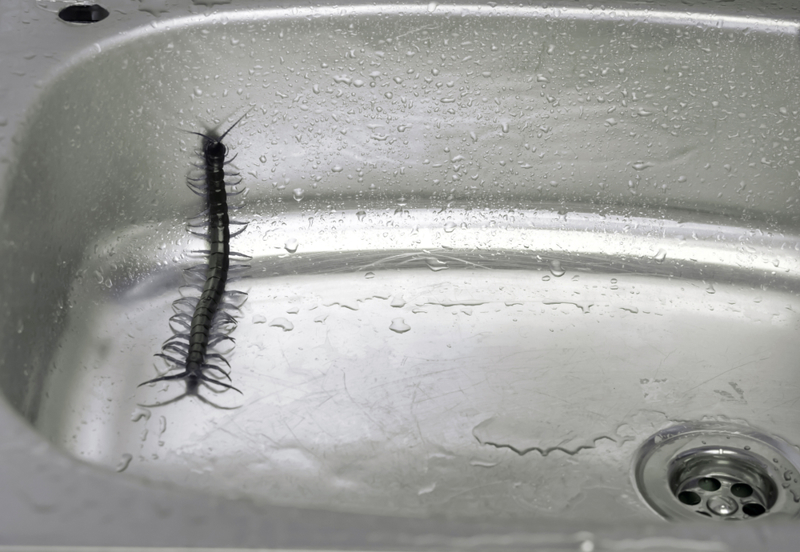
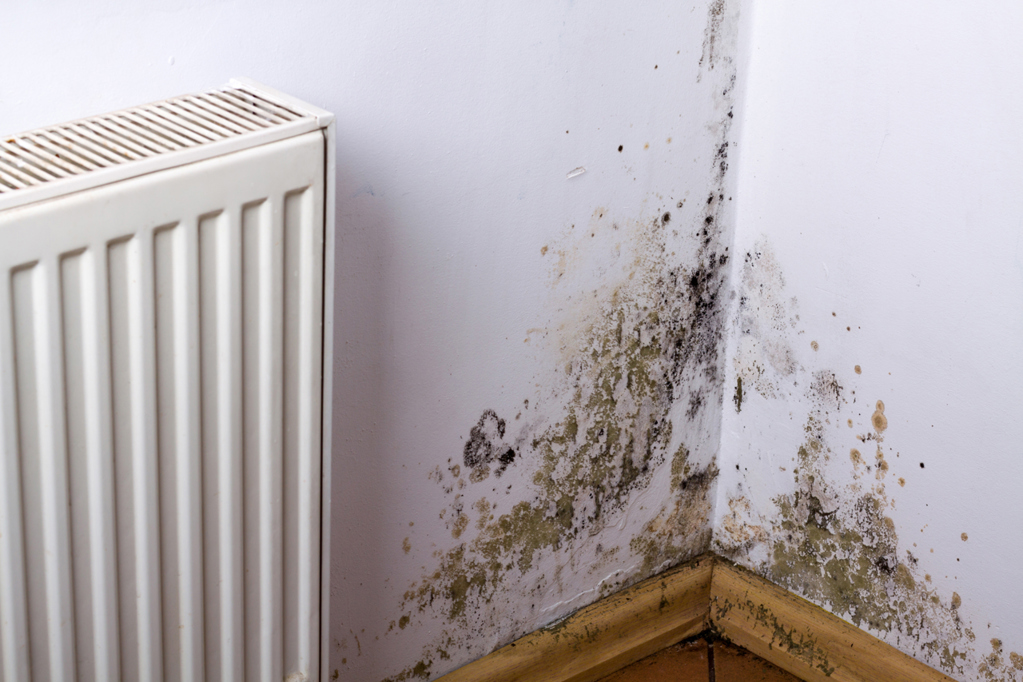
While many insects go dormant over the winter, others try to seek shelter indoors. Pest may become more common indoors during colder weather. Some simple steps can keep these insects from making a home in your house:
- Seal off holes on the outside of the house, where insects may gain entry.
- Check around baseboards and inside cabinets for cracks and crevices that could hide six-legged occupants, and fill holes accordingly.
- Remove sources of food and water, which include dishes in the sink and crumbs inside cabinets.
- Outside firewood makes a great place for rodents and insects to hide. Store firewood these away from the home.
Keep Rodents from Taking up Residence
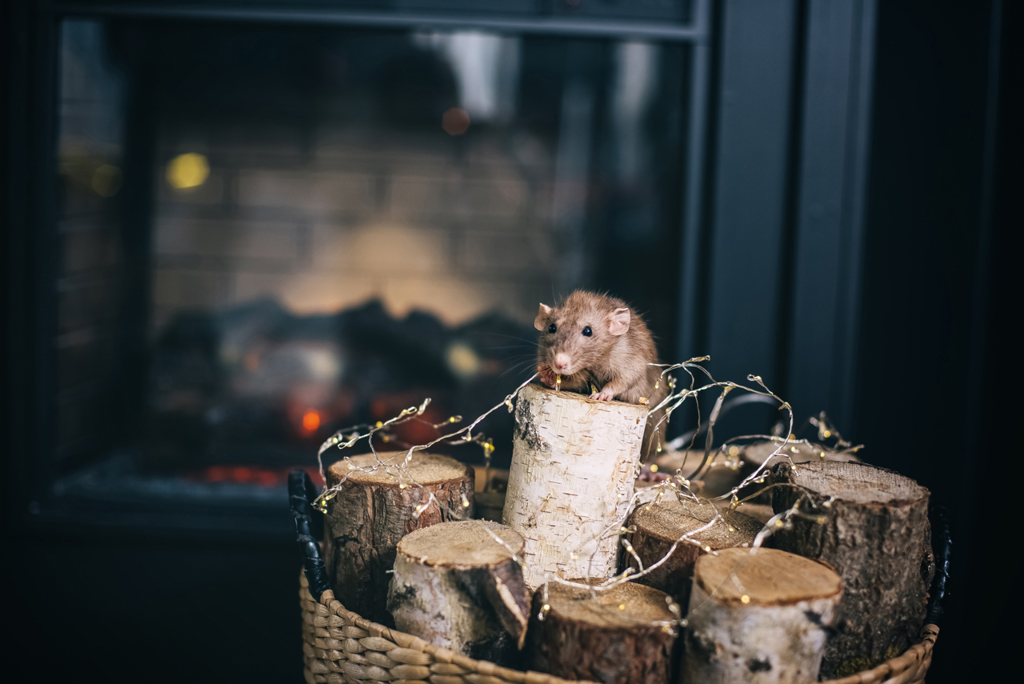
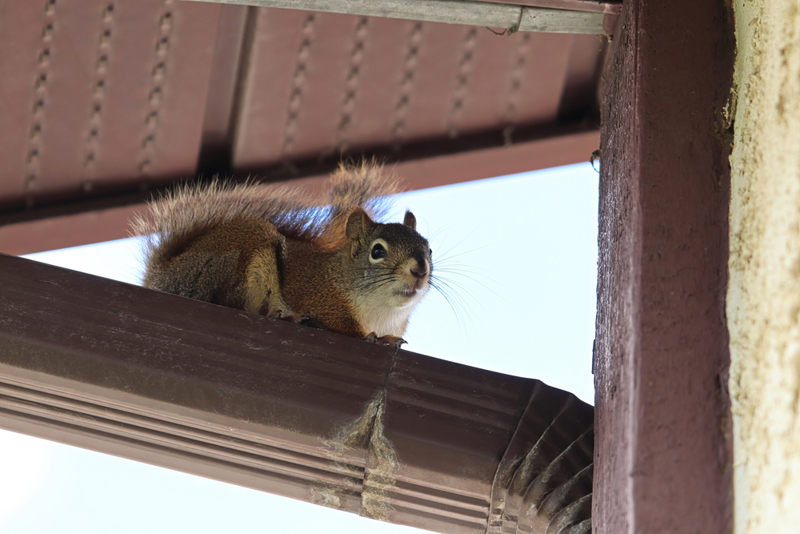
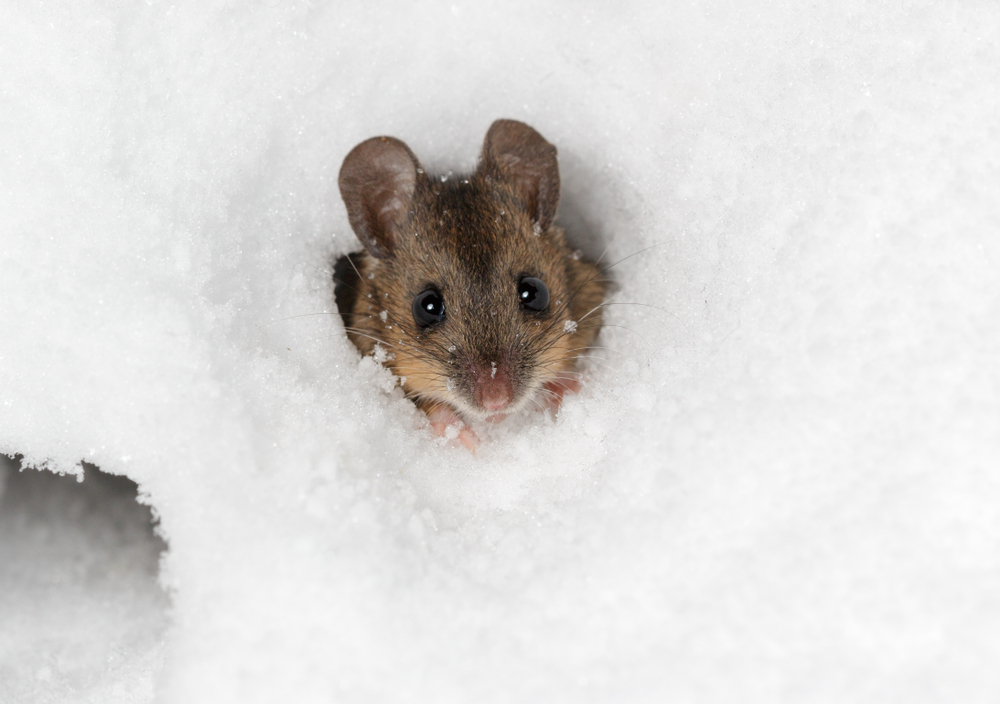
Unlike insects, mice and other rodents are not capable of going dormant for the winter. While some mammals, such as raccoons, do hibernate during the winter, most simply seek a warmer shelter. Mice, rats, and squirrels actively work on building warm nests year round, often inside homes.
- To prevent squirrels and other animals from roosting in the eaves or attic, repair and patch any holes or other damage.
- Clean out gutters and overhangs, where rodents can also build their nests.
- Store yard waste like leaves and firewood away from the house. These are popular nesting materials.
- Keep birdseed in a sealed metal container. Mice can gnaw through plastic and eat seeds.
- Common entry points are around pipes, where small cracks are frequently just large enough for a mouse to squeeze through.
- In the house, eradicate clutter that can hide mice and rat nests and provide material for the nests themselves.
If it is evident that rodents have already entered the home, enlist the help of pest professionals.
During the winter months many pests may want to move into your home. With the right rodent prevention, it is easy to protect your house from these small invaders.
Posted on November 9, 2012 with No Comments
Winter burn injury is leaf damage caused by cold winds that dry out the leaves of evergreens. J.P. McHale Pest Management offers the services needed to reduce damage. Our service create a barrier over the pores in the leaves which allows the plant to breath but reduces water loss through transpiration (daily leaf sweating).
Winter burn injury can take place whenever the soil freezes and wintery winds blow drawing moisture from leaves. Plant roots cannot uptake water from frozen soil to replace the losses experienced in the leaves. The longer these conditions exist, the more moisture is lost and death of leaf tissue results. Plants that hold their leaves (evergreens) over the winter are vulnerable, broad leaf types are more susceptible than the needle type evergreens due to the larger surface area of their leaves.
The location of plants in the landscape is an important consideration when deciding whether or not to apply an anti-desiccant. Windy sites are obviously more prone to this type of damage than protected locations. Soil moisture is also a factor.
To prevent winter burn injury J.P. McHale Pest Management Arbor Care Program can apply an anti-desiccant in December and again in late January. One of our arborist’s can ensure this will get done properly.
Posted on November 9, 2012 with No Comments
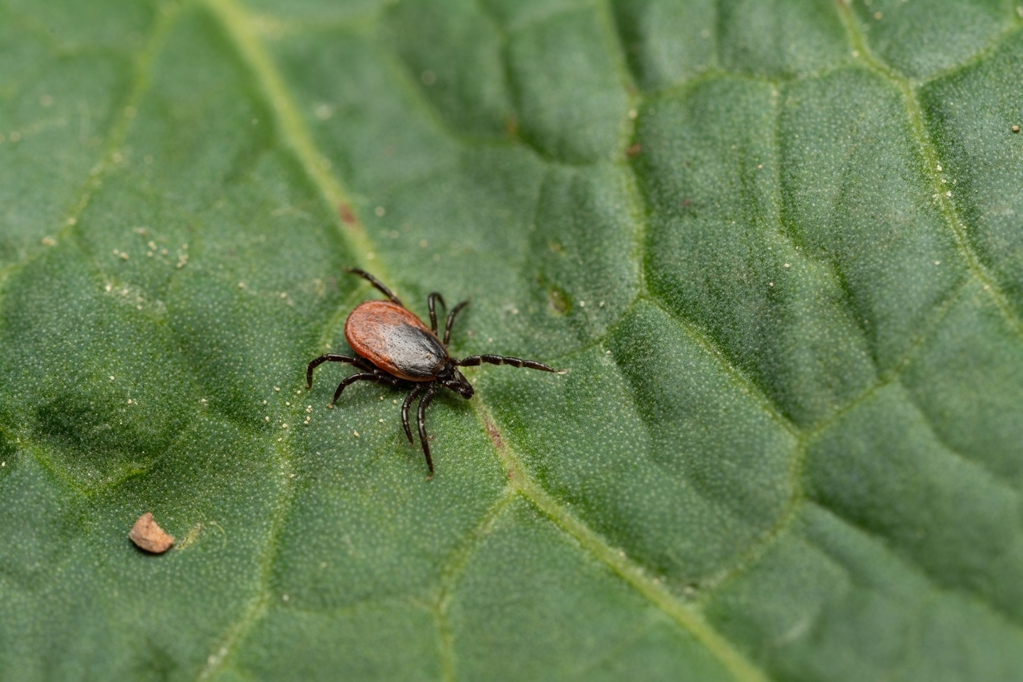
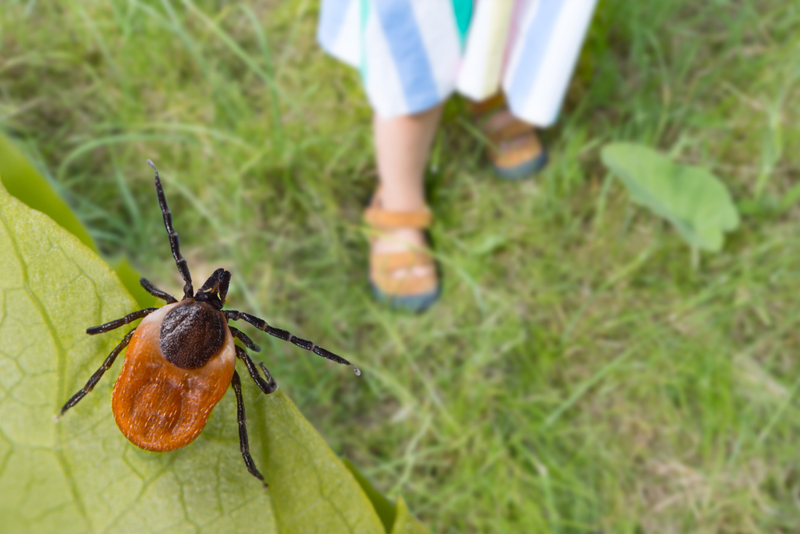
With concerns about Lyme disease, the management of tick populations is of utmost concern to many of our customers. J.P. McHale Pest Management offers a variety of ways to manage ticks including on-going programs and customized comprehensive programs. Did you know that the pile of leaves you raked for your kids to jump in in your yard could be a great place for ticks to harbor? Along with our environmentally sensitive methods to effectively reduce the tick population on your property, you may also consider one of our lawn care programs.
For ticks we treat areas most conducive to tick activity, and consistently provide you with important recommendations based on observations during our routine visits. Removing leaf litter, reducing overgrown shrubbery, cutting the grass frequently, are just some of the cultural practices you can do to combine our efforts and reduce your family and pets exposure to ticks.
The life cycle of the deer tick comprises three growth stages: the larva, nymph and adult. It takes about two years for the tick to hatch from the egg, go through all three stages, reproduce, and then die. Humans are at the greatest risk of Lyme Disease and other co-infections in late spring and summer.
Posted on October 8, 2012 with No Comments
Disease laden rodents are no joking matter. Just check out the latest news stories about outbreaks of Hantavirus and even bubonic plague to realize that rodents in your home or business are more than just a nuisance, they are a real threatto human health. Their presence should never go unchecked. When it comes to rodent control, rodent proofing a structure is key.
For more information about rodents at JP McHale’s Pest Management and give our office a call at 800-479-2284 if you have any questions.
Posted on November 29, 2011 with No Comments
House mice are so small and they can gain entry into homes and other buildings easier than rats. As a result, house mouse infestations are probably 10 to 20 times more common than rat infestations in homes. Effective control involves sanitation, exclusion, and population reduction. While sanitation and exclusion are preventive measures when a mouse infestation already exists, some form of population reduction such as trapping or baiting is often required.
A key to successful long-term mouse control is limiting shelter and food sources wherever possible. Trapping works well, especially when a sufficient number of traps are placed in strategic locations. Trapping also can be used as a follow-up measure after a baiting program. When considering a baiting program, decide if the presence of dead mice will cause an odor or sanitation problem. If so, trapping may be the best approach. After removing mice, take steps to exclude them so that the problem doesn’t recur.
If you reside in New York, New Jersey or Connecticut and mice have entered your residence, contact JP McHale Pest Management.
Posted on October 31, 2011 with No Comments
Happy Halloween!! Tonight, you expect to see vampires, ghosts and goblins around your neighborhood but it’s the bats, spiders and other pests that will be giving you the nightmares! As temperatures have begun to cool in New York, New Jersey and Connecticut outdoor pests are seeking a warm place for the winter and they want to come into your home and place of business.
Certain pests, such as bats and bed bugs, have a resemblance to Halloween characters! Bedbugs are similar to vampires in the sense that they are both nocturnal, bloodsucking creatures.
To keep spiders, mice, roaches, and other unwelcome creepy crawlers out of your home, keep all food and sweets stored in air tight containers. Don’t let your kids leave their candy on the floor as this is an open invitation for pests. If you insist on carving and leaving your pumpkin outside, it’s a good idea to bring it in at night to avoid attracting mice, rats and other outdoor pests that are looking for food and warmth.
Don’t let pests be a nightmare in your home anymore! If you live in New York, New Jersey or Connecticut call JP McHale Pest Management Inc. for all of your residential and commercial pest control services.
Tags: bedbugs, halloween, Mice, Pests, Rats, spiders
Category: Bed Bugs, Mice, NY Pest Control, Rats, Spiders, Winter Pests
Posted on October 25, 2011 with No Comments
Here’s a great article, How to Get Rid of Stink Bugs Safely Around Children, written by Matt Frye, an Entomologist at JP McHale’s Pest Management located in Buchanan, NY. The article was recently published by and can be at DinkerandGiggles.com
Posted on October 19, 2011 with No Comments

Cornell Stink Bug Photo
Cornell University is seeking the public’s help to dentify locations where Brown Marmorated Stinkbug (Halyomorpha halys (Stål) (Hemiptera: Pentatomidae) are being spotted.
“The Stink Bug Project began a year ago to address the potential impact this invasive species could have on NYS commercial agricultural commodities while documenting its pest status in the urban environment. The Hudson Valley Region, along with Metropolitan NY and Long Island may currently be the leading edge of the population expansion. By monitoring several agricultural commodities in the region, collecting, verifying and documenting the population spread along the agricultural-urban interface, we hope to assist residents and agricultural producers alike in understanding this pest and mediating its impact.“
Posted on October 6, 2011 with No Comments
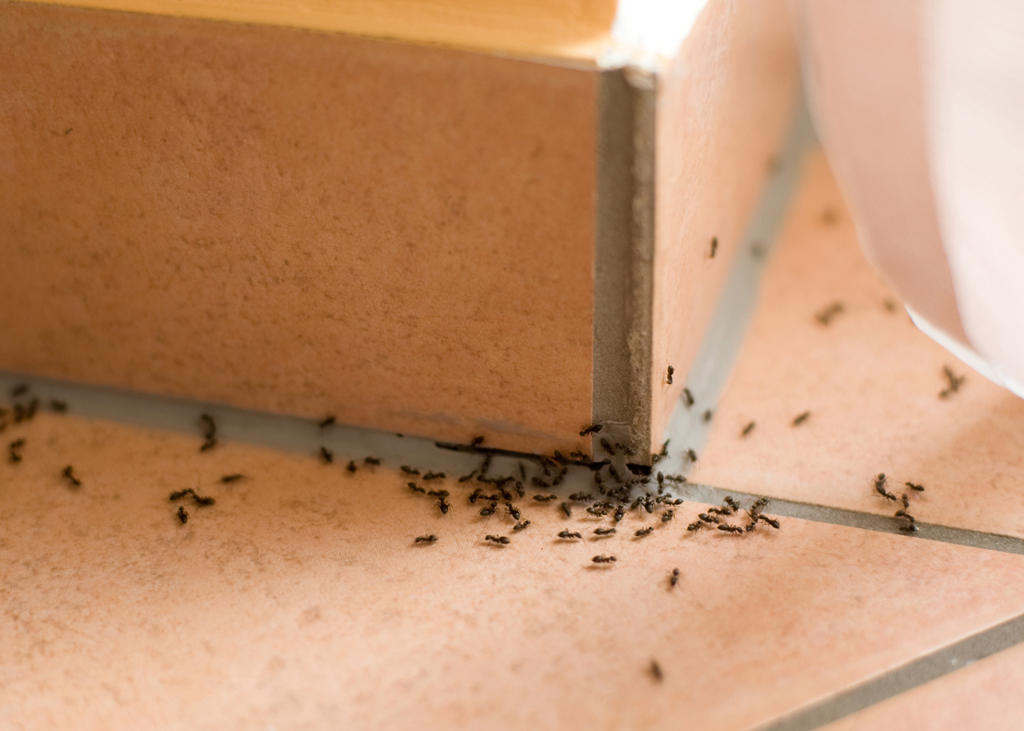
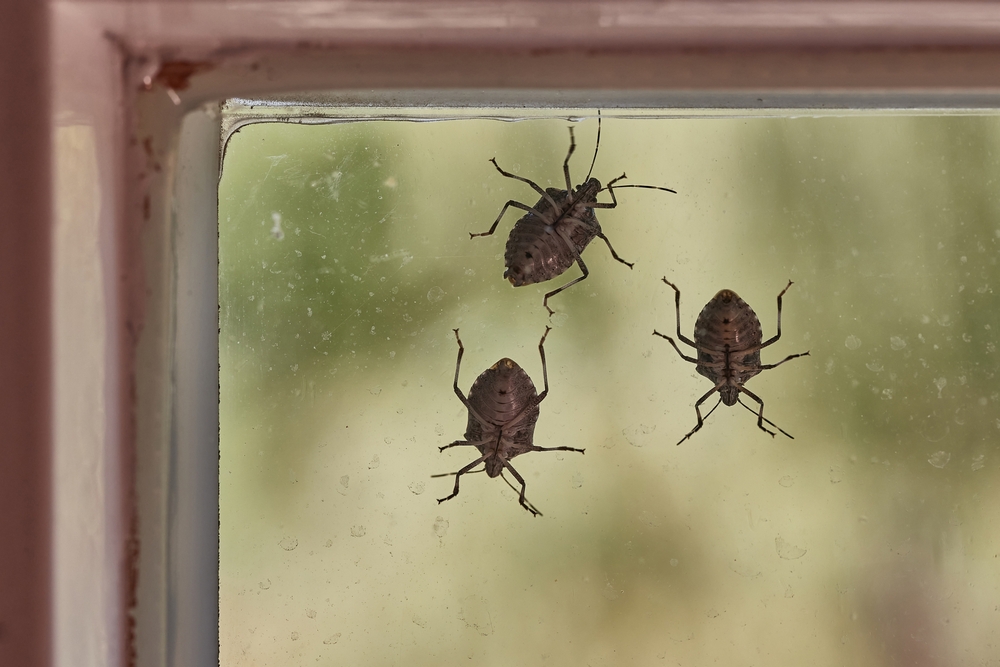
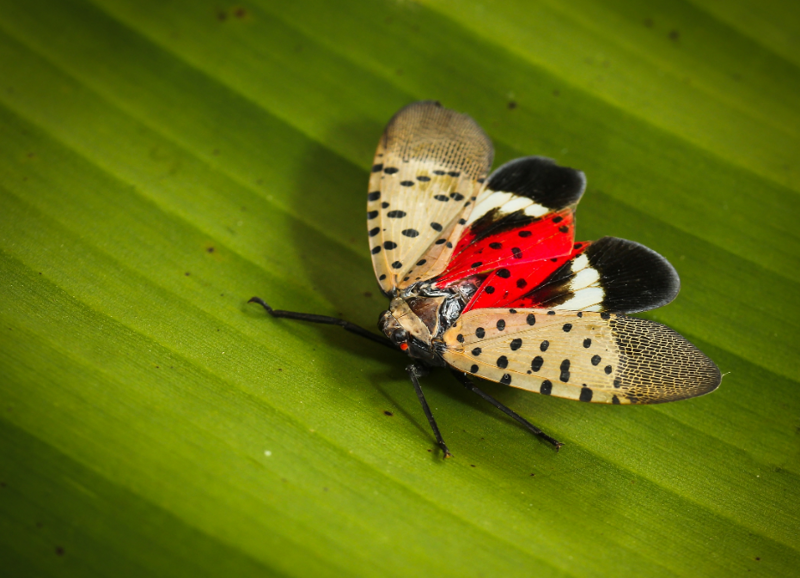
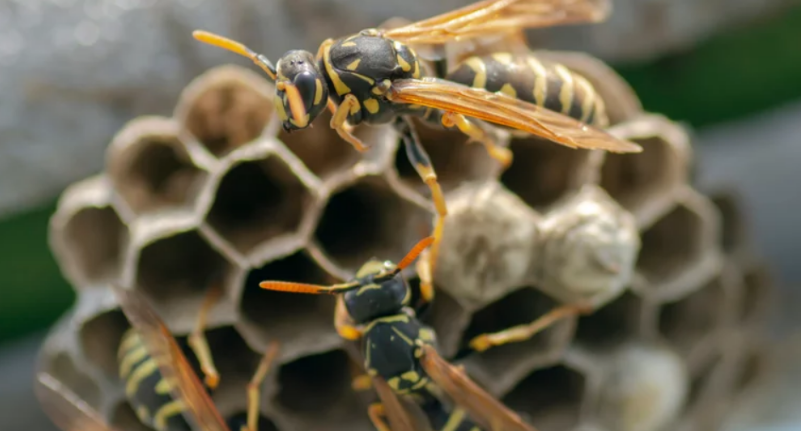
Now that fall is here the temperatures are cooling down and pests and rodents are starting to seek warm shelter. If you notice any pests in your business or residence, you can visit JP McHale Pest Management’s Pest Identification Center and then give our office a call to schedule pest control service at 800-479-2284 or you can send us an email here! Below are pictures of some of the pests that you may be encountering.

Disease Carrying Insects

Invasive Pests

Rodents

Stinging Insects

Wood Destroying Pests

Stored Product Pests
Posted on October 3, 2011 with No Comments

Photo's & Story Accredited to: Matt Frye, MS, PhD, Urban Entomologist JP McHale Pest Management, Inc.
It’s a beautiful fall day, and through my open windows I can appreciate the changing of seasons. Buzzzz…. clunk! But there it is again, a sound that brings frustration and anxiety. Hesitantly, I glance over from my typing machine and observe the small 5-sided body creeping along the screen. It pauses, orients, and starts moving again as it looks for an entry point around the window frame. And so begins another invasion by the brown marmorated stink bug!
The brown marmorated stink bug (BMSB) and I share a long history. I went to college in Allentown, Pennsylvania, where this insect first arrived in the US on a shipment from the Orient. With piercing/sucking mouthparts, this BMSB feeds on plant juices, damages fruit and renders apples, pears, peaches, and other fruits aesthetically unacceptable for sale. During summer months, stink bugs feed on a variety of host plants and large numbers can be found in agricultural fields. Their reign of terror continues into the fall, when adults seek overwintering sites to protect them from harsh winter conditions. Around widows and doorframes in our Allentown dormitories, we encountered so-called “crunchy bugs” that made a pungent odor when crushed. The BMSB has since spread to several states, and is reported as for north as Maine, south to North Carolina, and west to Michigan with new populations in Wisconsin and Washington. A once unknown pest, the BMSB now receives great attention at trade shows and other events to which I bring my insect display. When viewing the 3/4 inch, brown, shield shaped insect, onlookers protest, “how do I get rid of stink bugs?!”
The BMSB belongs to the pest management professional’s category of “overwintering pest,” which also includes the Western conifer seed bug, the multicolored Asian ladybird beetle, the boxelder bug, and cluster flies. As fall approaches and important cues such as cooler temperatures, shorter days, and decreased quality of host-plant material arrives, these insects start their assault on homes and other structures. Why? In their natural habitat, overwintering insects seek southwest-facing, light-colored structures such as rocks that are warmed by afternoon sun. These areas provide some protection and buffering against cold winter temperatures, and enhance survival of the insects. Where buildings have replaced natural landscapes, these structures now provide similar cues to insects preparing for winter. Some overwintering pests use pheromones to form large aggregations, later fleeing to enter buildings. For the most part, overwintering pests cause no damage for the homeowner. However, some species can bite and leave fecal stains (boxelder bug), while a mass of dead insects (ladybird beetles) is displeasing to homeowners.
The best way to address overwintering pests is also the most difficult: exclusion. These insects are adapted to exploit tiny cracks and crevices leading to safe harborage areas. Eliminating entry points is a guaranteed way to provide long-term control. Here are just a few tips to keep overwintering pests out of your home.
- Screen exterior vents that lead into the home
- Seal pipe chases and openings around wires with expanding foam
- Eliminate cracks, crevices, and openings around doors, window frames, fascia, etc. with caulk (silicone)
- Replace or repair damaged screens or doors
- Remove window air conditioning units that provide direct access to interior
If you experienced an infestation in the past, or have recently observed large numbers of insects invading your home, consult your pest management professional for treatment options.